
Patio Cover vs Pergola: We Install Both – Here’s When Each Makes Sense
 The global market for patio covers is projected to grow significantly, underscoring the increasing homeowner investment in outdoor living spaces.
In the modern era, our homes have expanded well beyond their interior walls. The yearning to maximize the utility and enjoyment of our backyards has elevated patios and gardens into vital extensions of our living space. However, the whims of nature—intense sunlight and sudden rain showers—often dictate when and how we can fully embrace these cherished areas. Crafting a comfortable and functional outdoor space necessitates a thoughtful approach to shade solutions. Among the most popular and effective options are patio covers and pergolas. While both serve to provide protection from the elements, they do so through fundamentally different designs, impacting everything from aesthetics to practical utility. A thorough understanding of these distinctions is paramount to selecting the ideal outdoor structure for your home. The global patio cover market size reached USD 8.6 billion in 2024 and is expected to reach USD 14.8 billion by 2033, with a projected CAGR of 6.2% from 2025 to 2033 [Dataintelo, 2024], underscoring the significant demand for such enhancements.
Why Outdoor Shade Matters: Comfort, Protection, and Lifestyle
The impact of adequate shade on an outdoor space is profound, transforming a potentially scorching or damp area into a versatile living space that can be enjoyed in various conditions. Sunlight is essential, but prolonged exposure can lead to discomfort, sunburn, and premature fading of outdoor furniture and decor. Conversely, unexpected rain can abruptly end an al fresco meal or gathering. Beyond mere comfort, shade provides crucial weather protection, safeguarding your investment in outdoor furnishings and extending the lifespan of your patio. It allows for the integration of more delicate plants in a garden setting and cultivates a more inviting atmosphere, thereby enhancing your overall lifestyle and the practical usability of your backyard. In 2023, 63.7% of new single-family homes included patios, marking the eighth consecutive year of record growth [ELEVATE BY DESIGN, 2023], further emphasizing the increasing demand for shaded outdoor living areas.
What This Guide Will Cover: Beyond Basic Definitions
This guide aims to go beyond superficial definitions, offering a deep dive into the world of outdoor shade structures. We will meticulously explore the core characteristics of patio covers and pergolas, conduct a comprehensive head-to-head comparison across key features, examine modern advancements in shade technology, and provide a clear framework for selecting the solution that best suits your unique lifestyle, climate, and budget. Additionally, we will delve into material choices, discuss practical planning considerations like permits and HOA requirements, and offer insights to ensure you are fully equipped to create your ideal outdoor structure.
Understanding the Fundamentals: What Exactly Are They?
The fundamental distinction between a patio cover and a pergola lies in their roof structure and, consequently, their primary function. A patio cover features a solid roof, engineered to provide complete protection from the elements, including direct sun and rain. In contrast, a pergola is characterized by an open or slatted roof design, typically composed of beams and rafters, which allows for diffused sunlight and partial shade rather than complete coverage. This core difference dictates their suitability for various outdoor living needs and aesthetic preferences.
The Patio Cover: Solid Protection from the Elements
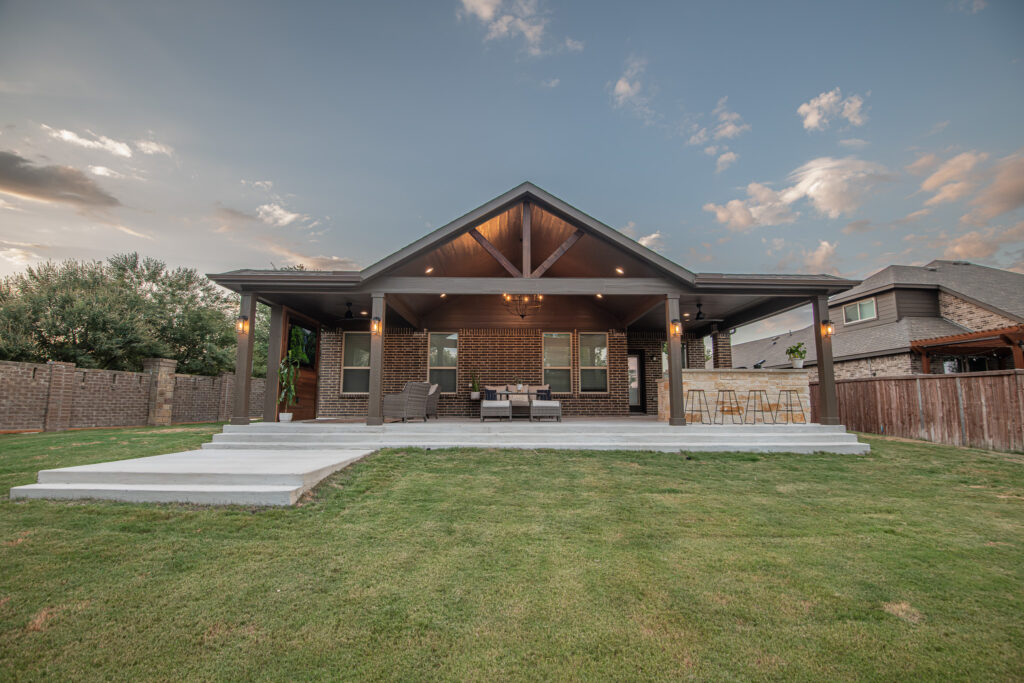
A patio cover is fundamentally an overhead structure designed to offer robust protection from the elements. Its defining feature is a solid roof, which can be constructed from materials like metal, asphalt shingles, or polycarbonate. This continuous barrier effectively blocks direct sunlight and provides comprehensive shelter from rain, snow, and other atmospheric conditions. Often attached directly to the home’s existing structure, patio covers act as a seamless extension, significantly expanding usable living space and creating an outdoor room. They are engineered for durability, offering excellent weather protection, making them an ideal choice for regions experiencing frequent rainfall or intense sun exposure. The vertical posts supporting a patio cover provide essential structural integrity, ensuring its longevity and stability against various environmental factors. This commitment to full weather protection ensures your outdoor space remains a functional living space, regardless of Mother Nature’s plans.
The Pergola: Openness, Aesthetics, and Diffused Sunlight
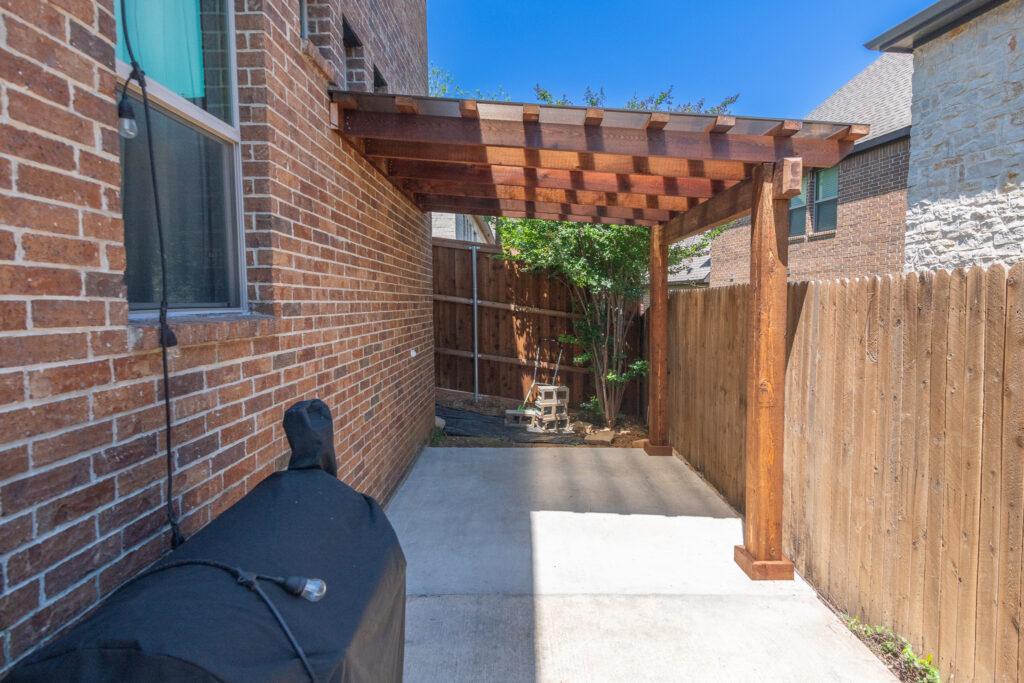
In contrast, a pergola is typically an open-air structure celebrated for its aesthetic appeal and its ability to create a sense of enclosure without feeling closed off. Its design is characterized by a roof comprised of cross-beams or rafters, often with deliberate gaps between them. While pergolas offer a defined area and some dappled shade, their primary draw lies in their architectural charm and their capacity to enhance a garden’s visual interest. The open design allows diffused sunlight to filter through, creating a softer, more ambient light effect that many find desirable over the intense shade of a solid roof. Pergolas are also ideally suited as supports for climbing plants and climbing vines, such as Black-eyed susan vines or passionflower vines, which can further soften their appearance and add natural beauty. While a traditional pergola offers some deflection from direct sun, it provides limited protection from rain and wind. The vertical posts of a pergola are integral to its architectural style and are key structural components. The global pergolas market was valued at USD 2.1 billion in 2023 and is projected to reach USD 5.3 billion by 2032, growing at a CAGR of 11.0% from 2024 to 2032 [Dataintelo, 2023], highlighting their increasing popularity.
Shade and Sunlight Control: From Full Block to Diffused Light
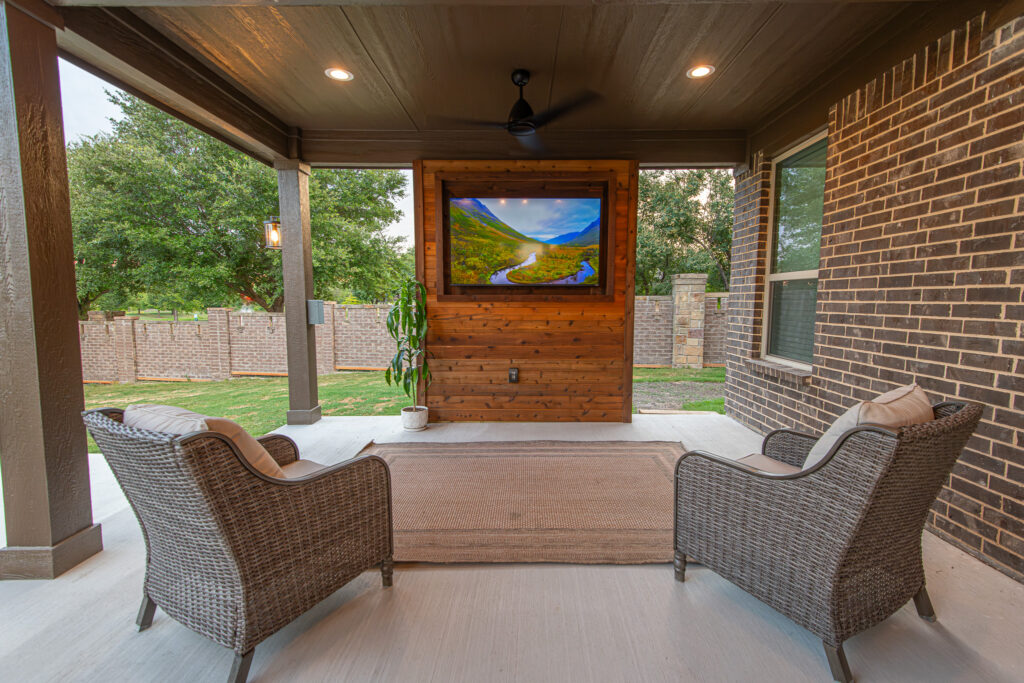
The primary functional divergence between patio covers and pergolas lies in their distinct approaches to shade and sunlight management. A patio cover, equipped with its solid roof, delivers complete shade by blocking nearly all direct sunlight, thereby creating a consistently cooler area underneath. This offers superior protection from the elements, ensuring the underlying outdoor space remains comfortable and usable. Conversely, a pergola, with its open latticed roof design, allows sunlight to filter through, creating a softer, dappled light effect. This diffused sunlight is often perceived as more aesthetically pleasing and less isolating than full shade. While it effectively deflects direct sun, a pergola does not provide the same level of shade or significant protection from rain as a solid-roof patio cover. Understanding this difference is crucial for selecting shade solutions that align with your desired ambiance and functional needs.
Weather Protection: Battling Mother Nature
When the challenge is battling the elements, the patio cover emerges as the clear frontrunner. Its solid roof offers superior weather protection, effectively shielding you and your belongings from rain, snow, and intense sunlight. This makes it an exceptionally practical choice for extending the usability of your backyard in unpredictable weather conditions. A pergola, by design, offers minimal weather protection. While it can provide respite from direct sun, it offers little defense against rain or strong winds. Many homeowners opt for adjustable pergolas or add retractable awnings to enhance their pergola’s weather resistance. However, for guaranteed protection from the elements and to create a truly all-weather outdoor living space, a patio cover with its solid roof is the more robust solution.
Aesthetic and Design Versatility
The aesthetic appeal of each outdoor structure is a significant differentiating factor. Pergolas are widely admired for their architectural charm and their ability to enhance the visual appeal of a garden or landscape. They can be designed in a multitude of styles, from rustic wood structures to sleek, modern metal designs, and their open framework lends itself beautifully to decoration with climbing plants, hanging baskets, and ambient lighting. This versatility allows for the creation of a romantic, artistic, or tranquil ambiance. Patio covers, while also benefiting from design flexibility, often prioritize a seamless integration with the home’s existing architecture. They can offer a clean, contemporary look or complement traditional home styles, essentially creating an outdoor room that feels like a natural extension of your home’s interior. The choice often hinges on whether you desire an open-air focal point that accentuates your garden or a functional extension of your home’s interior living space.
Maintenance and Durability
The maintenance requirements for outdoor structures vary significantly depending on the materials used. Wooden pergolas, while undeniably beautiful and classic, demand regular upkeep, including sealing, staining, and treatment against rot and insect damage, to ensure their longevity. Modern pergolas constructed from aluminum or vinyl, however, offer much lower maintenance, typically requiring only occasional cleaning. Patio covers, especially those fabricated from metal or composite materials, are generally very durable and necessitate minimal upkeep beyond routine cleaning. This factor of maintenance is a crucial consideration when planning the long-term care and aesthetic preservation of your chosen outdoor structure. Patio covers made from metal or composite materials last a long time and need little care except for occasional cleaning.
Cost and Investment: Initial Outlay to Long-Term Value
The costs associated with pergolas and patio covers can differ considerably, influencing the initial investment. Basic pergola kits, particularly DIY options for aluminum pergolas, can present a lower initial outlay, with prices potentially ranging from $12.77 to $18.04 per square foot for DIY kits [2025 Pricing Guide, 2025]. However, custom-designed or elaborately constructed pergolas can command prices comparable to patio covers. Patio cover installation costs nationwide average around $8,500, with most homeowners investing between $4,500 and $12,000 [Angie’s List, 2025]. While a patio cover might represent a higher upfront cost, its inherent durability and the significantly enhanced functionality it provides often translate into a strong return on investment. Homeowners frequently see an ROI of 60% to 80% for patio cover installation [Freedom Deck Builders, 2025], reflecting their value in increasing home appeal and usability. Homeowners are willing to spend 25% of their remodeling budget on outdoor living enhancements [ELEVATE BY DESIGN, 2025], underscoring the perceived value of these structures.
The Rise of Louvered Roofs and Operable Pergolas
Significant advancements in technology have effectively blurred the traditional lines between pergolas and patio covers. Louvered roof systems, frequently integrated into pergola designs, feature adjustable slats that can be precisely opened or closed. This innovative feature allows for meticulous control over sunlight exposure and offers substantial protection from rain when the louvers are fully closed, effectively transforming a pergola into a highly versatile outdoor structure. These operable pergolas represent a sophisticated solution, providing the open aesthetic appeal of a traditional pergola alongside the functional weather protection typically associated with a solid-roof patio cover. This lets you control sunlight exactly and offers good protection from rain when closed, turning a pergola into a flexible outdoor structure.
Retractable Canopies and Fabric Shades
Another popular evolution in outdoor shade solutions involves the integration of retractable canopies and fabric shades. These systems can be attached to existing structures, such as homes or existing patios, or installed as standalone units. They offer remarkable flexibility, allowing users to deploy shade precisely when needed and retract it when it’s not, thereby maximizing natural sunlight on clear days. While offering excellent sun shade, these options generally provide less robust protection from rain and wind compared to solid-roof patio covers. They are a practical shade solution for those prioritizing adaptability and the ability to control sun exposure on demand.
Hybrid Designs: Blending the Best of Both Worlds
Many modern outdoor solutions are ingeniously designed to blend elements from both traditional pergolas and patio covers. For instance, a patio cover might incorporate decorative beams or latticework that mimics the open look of a pergola, adding aesthetic flair. Conversely, a pergola might feature a partial solid roof section over a specific area, such as a dining space, while retaining its slatted design elsewhere. These hybrid approaches are tailored to meet specific needs, offering a balanced combination of aesthetic preference and functional requirements for shade, protection from the elements, and overall usability.
Scenario-Based Decision Making: What’s Your Outdoor Lifestyle?
The most critical factor in deciding between a patio cover and a pergola is a clear understanding of how you intend to utilize your outdoor space. If your paramount priority is to create an all-weather living space suitable for dining, entertaining, or simply relaxing regardless of the weather, a patio cover offers superior functionality due to its solid roof and comprehensive protection from the elements. It ensures your outdoor area remains usable and comfortable. If, however, you envision a more decorative focal point for your garden, a space that offers partial shade, and perhaps a structure for climbing vines to enhance its beauty, a pergola might be more suitable. For families with young children or those who frequently host outdoor events, the consistent protection from the elements offered by a patio cover is often a paramount consideration. If you want strong protection from weather or an open-air design, the right choice will improve your backyard, making it more useful and beautiful.
Climate and Environmental Considerations
Your local climate plays a significant role in determining the most suitable outdoor structure. In regions characterized by heavy rainfall or prolonged, intense sunlight, the superior weather protection offered by a patio cover is invaluable, ensuring your backyard remains a usable and enjoyable space while protecting your outdoor furnishings. In areas with milder climates where the primary concern is managing dappled sunlight and adding architectural interest, a pergola can be an excellent choice. It’s also important to consider wind patterns; while both structures require robust anchoring, the solid roof of a patio cover may be more susceptible to high winds if not properly engineered and installed. For those in areas with salt air or experiencing sweltering Central Valley summers, material choice becomes particularly critical for long-term durability.
Budget and Long-Term Goals
As previously discussed, costs for pergolas and patio covers can vary. While basic pergolas may have a lower initial price point, the long-term value proposition of a durable patio cover is compelling, particularly given its significant impact on home value. It is essential to consider not only the upfront investment but also the ongoing maintenance requirements and the intended lifespan of your chosen outdoor structure. A well-constructed patio cover can endure for decades with minimal upkeep, offering sustained enjoyment and value. The extensive market share of pergolas and patios, which collectively accounted for 63.6% of U.S. outdoor living structures revenue in 2024, underscores their financial importance and broad appeal [Amra And Elma LLC, 2025].
Wood: Natural Beauty and Classic Appeal
Wood remains a perennially popular choice for outdoor structures, cherished for its natural beauty, warmth, and classic charm. It can be expertly stained or painted to seamlessly match any exterior décor, offering a timeless aesthetic. However, wood does require regular maintenance, including periodic sealing and treatment against rot, insects, and UV damage, to ensure its longevity and appearance. For those who appreciate the organic aesthetic and are prepared for the upkeep, wood offers an unparalleled natural appeal. Structures built with Western Red Cedar, for instance, are known for their natural resistance to decay and insects.
Aluminum: Modern, Durable, and Low-Maintenance
Aluminum offers a compelling alternative, particularly for patio covers and contemporary pergola designs. It is exceptionally durable, highly resistant to rust and corrosion, and demands very little maintenance beyond occasional cleaning. Its lightweight yet strong nature makes it incredibly versatile for a wide range of designs, from sleek, modern patio covers to elegant pergolas. Aluminum models are an excellent choice for coastal areas or regions with high humidity due to their inherent resistance to the elements.
Vinyl and Composites (e.g., TimberTech): Longevity Without the Upkeep
Vinyl and composite materials provide exceptional durability coupled with minimal maintenance, making them an attractive option for homeowners seeking longevity and ease of care. These materials are highly resistant to fading, cracking, and insect damage, positioning them as a long-lasting choice for both pergolas and patio covers. Their consistent appearance means they retain their aesthetic appeal over time without the need for regular refinishing or sealing.
Roofing Materials for Patio Covers
For patio covers, the selection of roofing material is critical for ensuring effective weather protection. Common options include metal (such as aluminum or steel) known for its durability and low maintenance, asphalt shingles that can be matched to your home’s existing roof for a cohesive look, or polycarbonate panels that offer a translucent effect, allowing some light to pass through while still providing protection. Each material presents a unique balance of durability, maintenance requirements, and aesthetic integration with your home’s architecture.
Freestanding vs. Attached Structures
Both pergolas and patio covers can be designed and constructed as freestanding units or attached directly to your home. An attached structure often feels like a seamless extension of your house, providing immediate access and integration with your indoor living areas. A freestanding unit, on the other hand, offers greater flexibility in placement within your backyard, allowing you to create distinct outdoor zones or cover specific areas like a barbecue pit, an outdoor kitchen, or a garden seating nook. The choice of vertical posts and their configuration is a key consideration for the structural integrity and aesthetic of both types of structures.
DIY vs. Professional Installation
The complexity of installation often dictates whether a DIY approach is feasible. Simple pergola kits, particularly those made from aluminum or basic lumber, can be manageable for experienced DIY enthusiasts. However, patio covers, with their more significant structural requirements, potential need for custom fitting, and possible integration of electrical work for lighting or fans, are often best entrusted to professional installers. Permits are typically required for both types of structures, and a thorough understanding of local building codes and HOA regulations is an essential first step before planning your outdoor structure.
Scenario-Based Decision Making: What’s Your Outdoor Lifestyle?
The most crucial factor in deciding between a patio cover and a pergola is a clear understanding of how you intend to utilize your outdoor space. If your paramount priority is to create an all-weather living space suitable for dining, entertaining, or simply relaxing regardless of the weather, a patio cover offers superior functionality due to its solid roof and comprehensive protection from the elements. It ensures your outdoor area remains usable and comfortable. If, however, you envision a more decorative focal point for your garden, a space that offers partial shade, and perhaps a structure for climbing vines to enhance its beauty, a pergola might be more suitable. For families with young children or those who frequently host outdoor events, the consistent protection from the elements offered by a patio cover is often a paramount consideration. If you want strong protection from weather or an open-air design, the right choice will improve your backyard, making it more useful and beautiful.
Climate and Environmental Considerations
Your local climate plays a significant role in determining the most suitable outdoor structure. In regions characterized by heavy rainfall or prolonged, intense sunlight, the superior weather protection offered by a patio cover is invaluable, ensuring your backyard remains a usable and enjoyable space while protecting your outdoor furnishings. In areas with milder climates where the primary concern is managing dappled sunlight and adding architectural interest, a pergola can be an excellent choice. It’s also important to consider wind patterns; while both structures require robust anchoring, the solid roof of a patio cover may be more susceptible to high winds if not properly engineered and installed. For those in areas with salt air or experiencing sweltering Central Valley summers, material choice becomes particularly critical for long-term durability.
Budget and Long-Term Goals
The costs associated with pergolas and patio covers can vary considerably, influencing the initial investment. Basic pergola kits, particularly DIY options for aluminum pergolas, can present a lower initial outlay, with prices potentially ranging from $12.77 to $18.04 per square foot for DIY kits [2025 Pricing Guide, 2025]. However, custom-designed or elaborately constructed pergolas can command prices comparable to patio covers. Patio cover installation costs nationwide average around $8,500, with most homeowners investing between $4,500 and $12,000 [Angie’s List, 2025]. While a patio cover might represent a higher upfront cost, its inherent durability and the significantly enhanced functionality it provides often translate into a strong return on investment. Homeowners frequently see an ROI of 60% to 80% for patio cover installation [Freedom Deck Builders, 2025], reflecting their value in increasing home appeal and usability. Homeowners are willing to spend 25% of their remodeling budget on outdoor living enhancements [ELEVATE BY DESIGN, 2025], underscoring the perceived value of these structures.
Wood: Natural Beauty and Classic Appeal
Wood remains a perennially popular choice for outdoor structures, cherished for its natural beauty, warmth, and classic charm. It can be expertly stained or painted to seamlessly match any exterior décor, offering a timeless aesthetic. However, wood does require regular maintenance, including periodic sealing and treatment against rot, insects, and UV damage, to ensure its longevity and appearance. For those who appreciate the organic aesthetic and are prepared for the upkeep, wood offers an unparalleled natural appeal. Structures built with Western Red Cedar, for instance, are known for their natural resistance to decay and insects.
Aluminum: Modern, Durable, and Low-Maintenance
Aluminum offers a compelling alternative, particularly for patio covers and contemporary pergola designs. It is exceptionally durable, highly resistant to rust and corrosion, and demands very little maintenance beyond occasional cleaning. Its lightweight yet strong nature makes it incredibly versatile for a wide range of designs, from sleek, modern patio covers to elegant pergolas. Aluminum models are an excellent choice for coastal areas or regions with high humidity due to their inherent resistance to the elements.
Vinyl and Composites (e.g., TimberTech): Longevity Without the Upkeep
Vinyl and composite materials provide exceptional durability coupled with minimal maintenance, making them an attractive option for homeowners seeking longevity and ease of care. These materials are highly resistant to fading, cracking, and insect damage, positioning them as a long-lasting choice for both pergolas and patio covers. Their consistent appearance means they retain their aesthetic appeal over time without the need for regular refinishing or sealing.
Roofing Materials for Patio Covers
For patio covers, the selection of roofing material is critical for ensuring effective weather protection. Common options include metal (such as aluminum or steel) known for its durability and low maintenance, asphalt shingles that can be matched to your home’s existing roof for a cohesive look, or polycarbonate panels that offer a translucent effect, allowing some light to pass through while still providing protection. Each material presents a unique balance of durability, maintenance requirements, and aesthetic integration with your home’s architecture.
Freestanding vs. Attached Structures
Both pergolas and patio covers can be designed and constructed as freestanding units or attached directly to your home. An attached structure often feels like a seamless extension of your house, providing immediate access and integration with your indoor living areas. A freestanding unit, on the other hand, offers greater flexibility in placement within your backyard, allowing you to create distinct outdoor zones or cover specific areas like a barbecue pit, an outdoor kitchen, or a garden seating nook. The choice of vertical posts and their configuration is a key consideration for the structural integrity and aesthetic of both types of structures.
DIY vs. Professional Installation
The complexity of installation often dictates whether a DIY approach is feasible. Simple pergola kits, particularly those made from aluminum or basic lumber, can be manageable for experienced DIY enthusiasts. However, patio covers, with their more significant structural requirements, potential need for custom fitting, and possible integration of electrical work for lighting or fans, are often best entrusted to professional installers. Permits are typically required for both types of structures, and a thorough understanding of local building codes and HOA regulations is an essential first step before planning your outdoor structure.
Conclusion
Choosing between a patio cover and a pergola is a decision that hinges on your specific needs and desires for your outdoor space. A patio cover offers robust protection from the elements, transforming your backyard into a true all-weather living space with its solid roof and superior weather protection. It represents a practical investment that enhances usability and significantly boosts home value. Conversely, a pergola provides aesthetic charm, diffused sunlight, and a sense of openness, often serving as a beautiful accent to your garden and a foundation for climbing plants. Modern innovations like louvered roofs and hybrid designs offer even greater flexibility, effectively blending the strengths of both. By carefully considering your lifestyle, climate, budget, and desired aesthetic, you can select the outdoor structure that best complements your home and enhances your outdoor living experience, creating your perfect outdoor sanctuary. And when you’re ready to build, contact us!